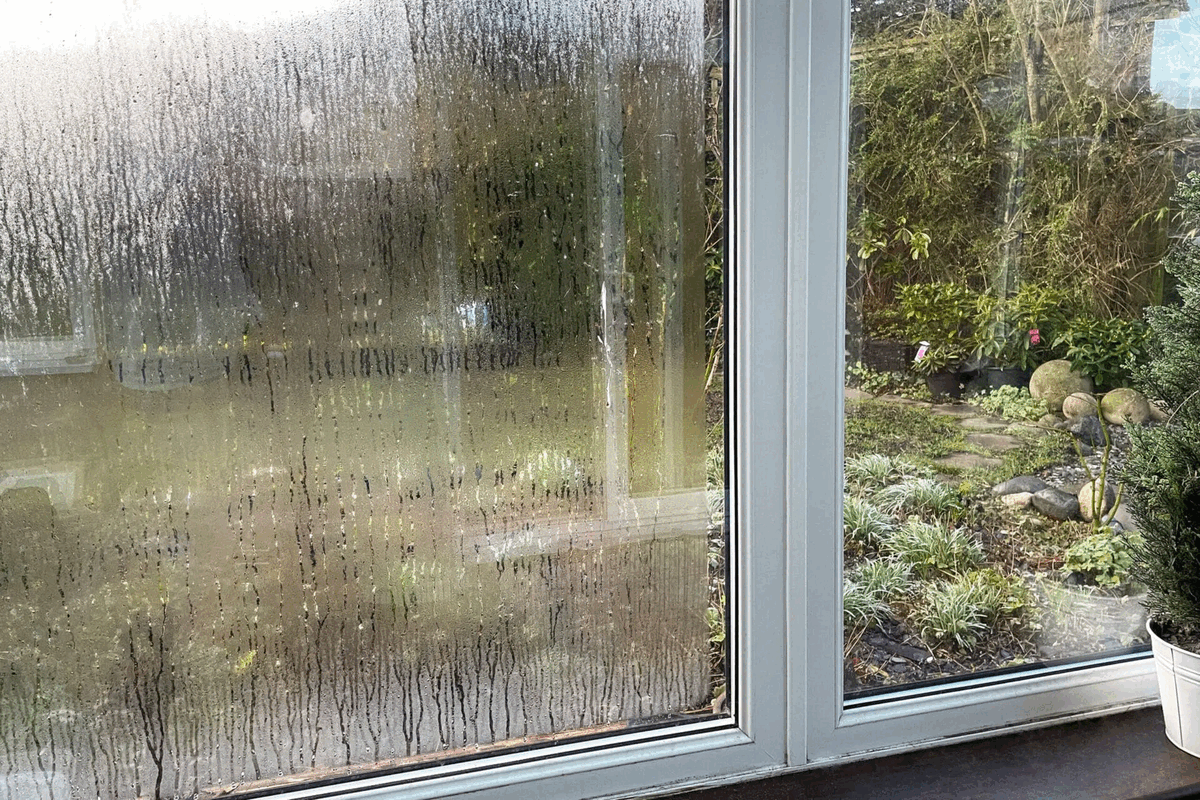
When Should You Replace Your Windows? Fall Q&A for Central Minnesota Homeowners
Oct 23, 2026 · @Nathan
Fall is when most Central Minnesota homeowners find out whether their windows are still doing their job. The first cold nights bring drafts you didn't feel in July, frost creeping up the inside of the glass, and a furnace that runs a little longer than it used to.
If you've started wondering whether it's time for new windows, you're asking at the right moment. Below are straight answers to the questions we hear most this time of year, from a team that has been working on homes around St. Cloud since 1983.
What are the signs my windows need replacing?
One sign on its own may just mean a repair. Two or three together usually mean the window is near the end of its life.
- You feel a draft. Hold your hand near the sash on a windy day. Moving air means worn seals, weatherstripping, or a frame that has shifted.
- Fog between the panes. Moisture trapped between the glass layers means the insulating seal has failed and the gas fill is gone. That can't be wiped away.
- Ice or frost on the frame. A little condensation on the inside of the glass on a below-zero morning is often a humidity issue. Frost building up on the frame or sash points to air leakage.
- They're hard to open, close, or lock. Sticking, sagging, or a lock that won't catch is a safety issue and an air-leak issue.
- Soft wood, peeling paint, or water stains. Rot on sills and frames, or stains on the drywall below, mean water is getting in.
- Your heating bill keeps climbing. Older single-pane or early double-pane units lose far more heat than today's glass.
- Outside noise comes right through. Better glass and tighter seals cut road and neighborhood noise noticeably.
How long do windows last?
Most windows last somewhere between 20 and 40 years, and the frame material and install quality decide where yours land. Minnesota's swing from humid summers to below-zero winters is hard on every material, so a window often wears out sooner here than the brochure suggests.
Frame material | Typical lifespan | What wears out first |
|---|---|---|
Vinyl | 20–40 years (quality varies widely) | Seals and balances; cheaper frames can warp |
Wood | 20–50 years with regular paint and sealing | Sills and lower sash rot when finish is neglected |
Fiberglass | 30–50 years | Very stable; finish may eventually need repainting |
A simple rule of thumb: if your windows are past 20 years old and you're noticing any of the signs above, it's worth having them looked at before winter sets in.
Can windows be installed in fall or winter in Minnesota?
Yes. Replacement windows go in one opening at a time, so each opening is only exposed for a short stretch while the old unit comes out and the new one goes in. Your house isn't left open to the cold all day.
That said, fall is the sweet spot. Sealants and foams cure better before the deep cold arrives, and crews can work comfortably. When temperatures drop further, installers use sealants rated for cold weather and schedule work for the warmer part of the day.
One more reason not to wait until spring: replacement windows are custom-built to fit your openings, so there's lead time between the measure and the install. Starting the conversation now means you're not stuck with drafty windows through another full heating season.
Should I repair my windows or replace them?
Not every drafty window needs to be replaced, and we'll tell you when one doesn't. Here's how we think about it.
Usually a repair | Usually a replacement |
|---|---|
Worn weatherstripping or failed exterior caulk | Fogged glass across several windows |
A broken lock, crank, or balance | Soft, rotted wood in the frame or sill |
One cracked pane on a newer window | Single-pane or original aluminum windows |
A window still under manufacturer warranty | Windows 20+ years old with parts no longer made |
If you're only seeing problems on one or two windows, a repair may buy you several more years. If the same issues show up across the whole house, replacing them together is usually the better value.
Will new windows lower my energy bills? Is there still a tax credit?
New windows can make a real difference, especially if you're replacing single-pane glass. ENERGY STAR estimates certified windows lower household energy bills by an average of up to 13% nationwide when they replace single-pane windows (Minnesota Power, citing ENERGY STAR). Your savings depend on what you're replacing, how many windows, and how your home is heated.
The bigger change for 2026 is on the incentive side. Here's where things stand:
- The federal window tax credit is gone. The Energy Efficient Home Improvement Credit (Section 25C) ended for windows placed in service after December 31, 2025, under the One Big Beautiful Bill Act (Taxformprocessing.com). Windows installed in 2026 don't qualify.
- Minnesota's new home rebate program hasn't launched. As of its October 12, 2026 update, the state says Save Energy Minnesota is still waiting on federal approval, with no launch date (MN Department of Commerce). Be wary of anyone calling or knocking on doors offering these rebates today; the state warns these are likely scams.
- Some utilities offer per-window rebates. Programs vary by utility and usually require specific efficiency ratings and paperwork, so check with your gas and electric provider before you buy.
Bottom line: if you've been waiting on a tax credit, there isn't one to wait for right now. The case for new windows in 2026 is comfort, lower bills, and protecting your home.
What should I look for in replacement windows?
In Central Minnesota, the number that matters most is the U-factor, which measures how much heat escapes through the window. Lower is better. ENERGY STAR's northern-zone windows are built for our climate.
- Double pane vs. triple pane. Quality double-pane glass with low-E coatings and gas fill performs well. Triple pane adds a third layer that keeps the inside glass warmer, cuts condensation on the coldest mornings, and blocks more noise. We now offer Triton triple-pane glass in our Restorations Series windows for homeowners who want that extra margin.
- Frame material. Vinyl is low-maintenance and cost-effective; fiberglass and clad wood cost more but are more stable and offer more style options. We install Restorations, Andersen, Marvin, Pella, and Kolbe, so we can match the window to your home and budget.
- Installation. Even the best window will leak if it isn't flashed, insulated, and sealed correctly. Ask any contractor who does the install and what workmanship guarantee they stand behind.
- Timing with other projects. If new siding is in your plans in the next few years, it's worth doing windows first or at the same time so flashing and trim tie together cleanly.
What does the process look like with Lutgen?
- In-home consultation. We look at every window, talk through what's bothering you, and tell you honestly which ones need replacing and which can wait.
- Options and pricing. We walk you through glass, frame, and style choices side by side so you can pick what fits your home and budget.
- Precise measure and order. Your windows are custom-built for each opening.
- Installation day. Our crew works one opening at a time, protects your floors and furniture, and seals each window for a Minnesota winter.
- Cleanup and walkthrough. We haul away the old windows and walk you through operation and care before we leave.
Ready to find out where your windows stand?
If your windows are drafty, foggy, or just getting old, now is the time to take a look, before the coldest months arrive. Lutgen Companies has served Central Minnesota homeowners since 1983, and we'll give you a straight answer on whether you need new windows or just a repair.
Call us at 320-252-4932 to schedule your in-home window consultation.

Comments