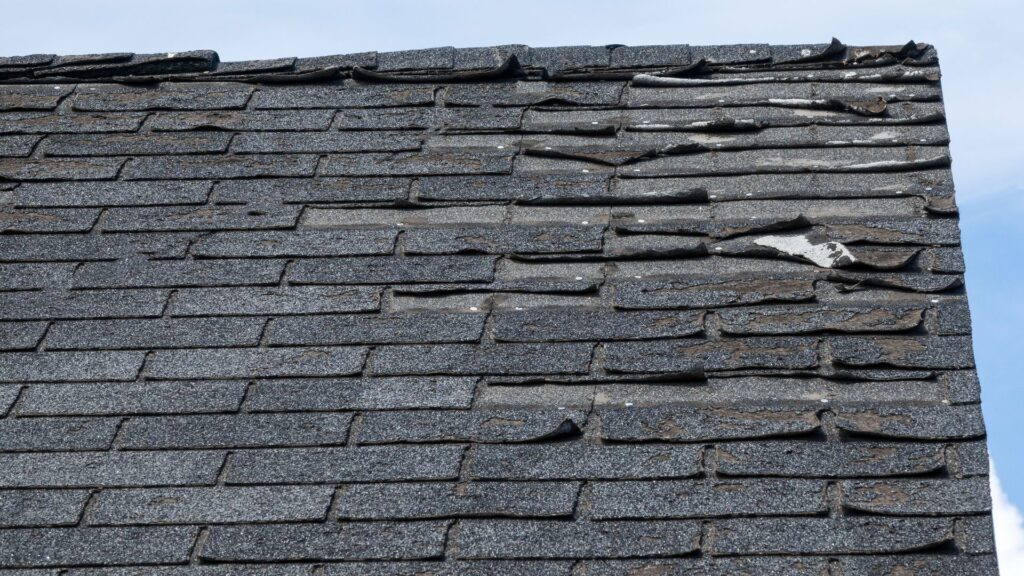
Roof Damage You May Spot after High Winds Pass Through
Grab some binoculars, step away from your house, and take a good look at all your roofing components from your shingles to flashing. Check for:1. Roof Leaks
When high winds hit the area, debris can be thrown against your roof or tree limbs may fall on it, creating an instant roof leak. When water leaks through your roof (particularly if it’s a lot of water!), it’s important to contact a roofer immediately to have it professionally tarped to stop the water from infiltrating your home. The tarp is a temporary “fix” that can stay in place until you can schedule a roof replacement or repair. If water infiltrated your home, contact a professional remediation service quickly so mold doesn’t develop.2. Missing Shingles
Asphalt shingles can become loose or detached due to strong winds. If you spot missing shingles in your yard or notice a “bald spot” on your roof, take action. The gaps missing shingles create can turn into water leaks if they aren’t attended to rapidly.3. Debris on Your Roof
Tree branches and other debris hitting your roof can often be more damaging than the high winds themselves. When assessing your roof after a wind event, examine what may have blown onto your roof. If there are branches or other foreign objects on your roof, hire a professional to clear off the debris and assess your roof for problems.4. Damaged or Cracked Shingles
Most wind damage to a roof starts on the edge. Anywhere your roofing materials are even a slight bit loose, wind can get under them and push them up, giving the wind more to hold onto the next time a storm comes through. High winds can crack your shingles when they blow under them. If a wind event caused your roof shingles to become compromised, reach out to a reliable roofer for an inspection. The longer you leave the problem unaddressed, the bigger it will become.5. Compromised Roof Flashing
Flashing is typically made of thin metal and installed around chimneys, vents, and other roof penetrations to keep moisture from seeping into these otherwise vulnerable areas. Chimney flashing is particularly prone to tearing, so look for buckling around them. If strong winds damage flashing, attending to the problem quickly will help protect your roof from moisture penetration.6. Significant Asphalt Granule Loss
After the storm, did you spot a lot of asphalt granules “dumped” out of your downspout and onto the ground? Or, are there a lot of granules accumulated inside your gutters? Losing asphalt granules makes your roof shingles vulnerable to additional damage, which can shorten the lifespan of your roof. Without adequate granules, your shingles are more susceptible to UV degradation, which causes them to crack or curl. These problems can lead to roof leaks, moisture damage, and costly repairs over time.7. Curling or Buckling Shingles
Wind stress and other factors can cause your shingles to curl up at the edges or buckle, which makes them look wavy or uneven. These issues keep your shingles from forming a tight seal. The result? Your roof becomes compromised and susceptible to moisture damage and leaks. The loss of asphalt granules on curled or buckled shingles accelerates your roof’s aging process. If you don’t attend to this situation, more costly damage will occur and could lead to a roof replacement.8. Water Stains
Perform an indoor inspection for signs you may have roof leak. These include:- Look for water stains on the ceilings of your highest floor.
- Check interior walls for peeling paint or loose wallpaper.
- Take a peek inside your attic for damp rafters or moist insulation.
- Check for any change in your energy usage as it could be a sign your roof ventilation was compromised in some way during the storm.

Comments